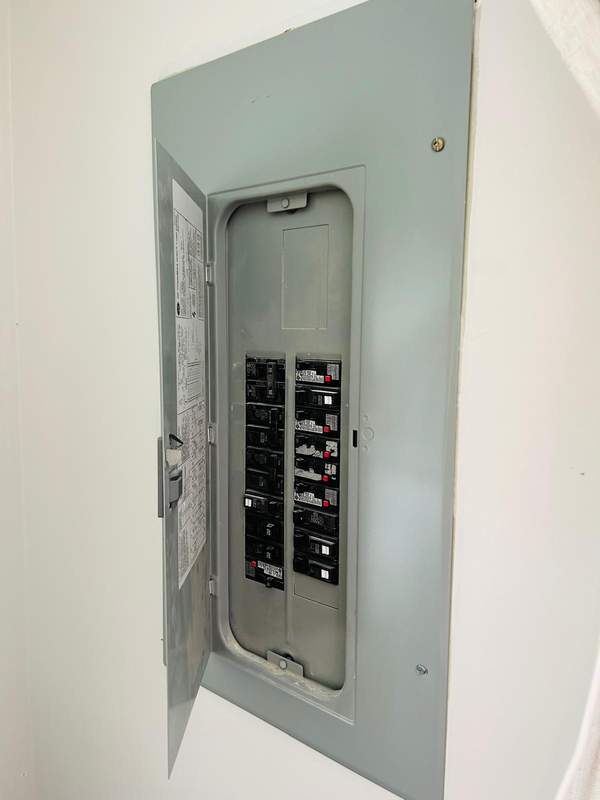
In the realm of home inspections, electrical hazards often lurk beneath the surface, hidden from immediate view. These unseen dangers can pose serious risks to property safety, making it essential for potential homeowners and current residents to be aware of their presence. Understanding these hidden electrical hazards is crucial in preventing potential disasters and ensuring the safety and functionality of a home.
Common Hidden Electrical Hazards
While many homes boast modern electrical systems, issues can still arise. One common concern is outdated wiring, which may not meet current safety standards. Homes with knob-and-tube wiring or aluminum wiring, often found in older properties, can pose fire risks if not updated. Additionally, improper electrical panel installation can lead to circuit overloads, causing potential fire hazards.
- Outdated Wiring: Homes built before the 1970s may have wiring that is not up to current electrical codes, increasing the risk of electrical failure.
- Improper Grounding: Lack of adequate grounding can lead to electrical shock hazards.
- Overloaded Circuits: Excessive load on circuits can result in overheating and potential fires.
Identifying and Addressing Electrical Issues
Homeowners should familiarize themselves with signs of electrical issues. Flickering lights, frequently tripped breakers, and warm outlets are indicators that should not be ignored. Regular inspections by certified professionals are recommended to identify and mitigate these risks. Inspectors utilize advanced tools such as infrared cameras and circuit analyzers to detect hidden electrical problems.
- Schedule regular home inspections to evaluate electrical systems.
- Ensure that all electrical work complies with the National Electrical Code (NEC).
- Consider upgrading to modern wiring systems if the home contains outdated materials.
Preventive Measures for Home Safety
To enhance home safety, homeowners can take proactive steps. Installing ground fault circuit interrupters (GFCIs) in wet areas like kitchens and bathrooms reduces shock risk. Moreover, arc fault circuit interrupters (AFCIs) can prevent electrical fires by detecting dangerous arcing conditions. Routine maintenance and adherence to safety standards can significantly reduce electrical hazards in the home environment.
Understanding and addressing hidden electrical hazards is key to maintaining a safe and secure home. Regular inspections and upgrades to modern electrical standards are crucial. Enlisting the expertise of professional inspectors ensures that potential issues are identified and resolved promptly, safeguarding the well-being of all occupants.